
Master Of Pottery Getting Started in the Workshop
Mason's letter, the first pot, Next: Exhibition Day, and how yen and inspiration actually move.
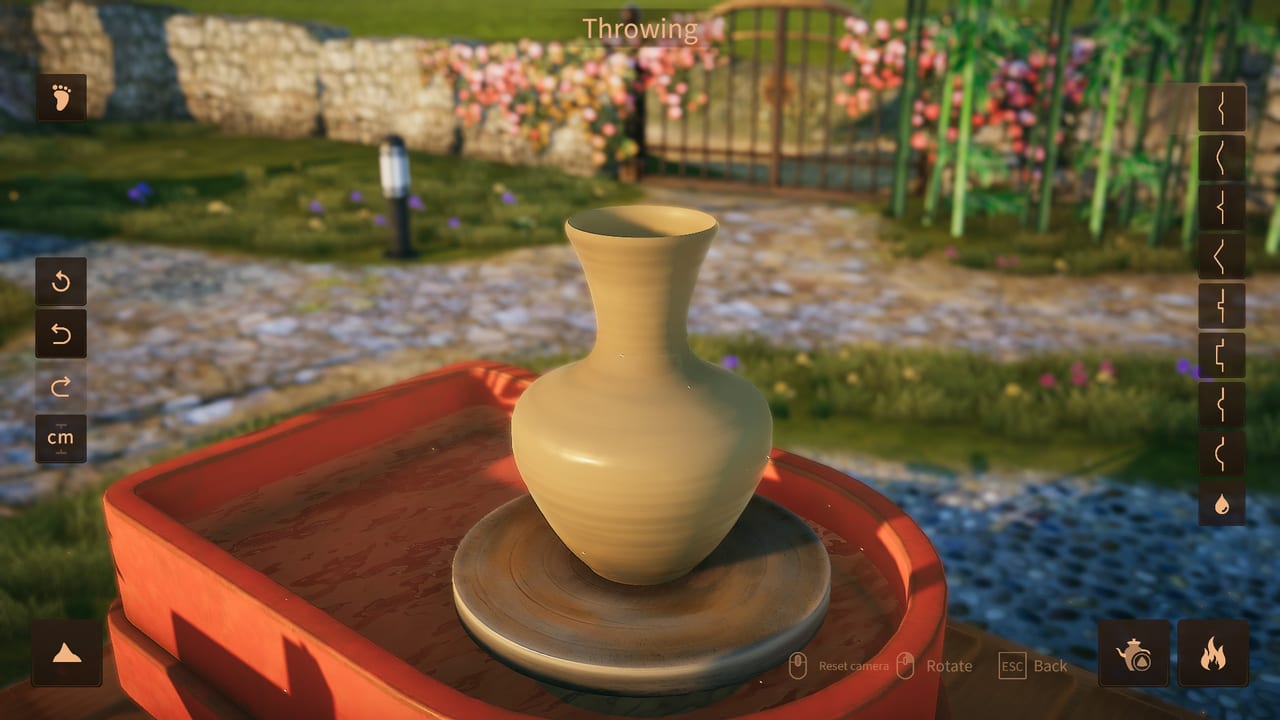
Master Of Pottery opens in someone else’s studio. Mason leaves a letter: they have to go out, it may take a long time, and the place is yours to run better than they did. Version 1.0 released on 10 September 2026 after Early Access from 11 November 2019, and a later mail from Mason still arrives around day 100. Day one is smaller. You throw one tutorial pot, fire it, decorate it, then put it on a booth and press Next: Exhibition Day. That click is the Grand opening achievement. Everything after that is a loop of inspiration, yen, and heat.
The game is a pottery creation and simulation title from AZGames. Steam lists it for Windows, marks Steam Deck as Playable, and prices it around $5.99. In-game currency is yen. Interface languages include English, Simplified Chinese, Japanese, and Italian. The throwing, kiln, paint, and exhibition loop is a solo studio. Steam also lists Multi-player, and 1.0 added public and private rooms that pay online tokens. Those rooms do not replace your first workday. Two players do not share one wheel on the same PC.
First work tutorial
The tutorial is the First work achievement. Rank does not matter. Follow the on-screen prompts: smooth the lump, keep the profile even, then fire. The Controls Guide is worth a glance if the mouse wheel feels backwards. Left-click drag raises and widens. The smoothness meter sits at the bottom of the throwing screen. Ride the clay until that bar is happy, then confirm and go to the kiln.
The first fire is a timing minigame: drying, preheating, high temperature. Left click heats, right click cools. Stay inside the target bands. The Kiln Firing Guide explains why a miss only shows after the burn. For the tutorial pot, a clean fire is enough. You will paint and glaze after the bisque, then take a second fire with no minigame. Put the finished piece on the booth the game highlights.
Next: Exhibition Day
Look at the lower right for the two-arrow button labeled Next: Exhibition Day. That starts your first show. A handful of visitors is normal. Mason often sends a small yen gift after the opening so you can visit the store. Do not empty the wallet on colored clay you cannot fire well yet. Buy a pigment or a cheap pattern if you want variety. Save the rest for booths and, later, glaze.
Ticket price, ads, and holidays are exhibition tools, not day-one homework. Still, open the Exhibition Guide once you have two or three pieces. Heat (popularity) on a work decays if you leave the same pot on the same stand forever. Rotate stock. Letters with buy offers are the real payday. The map shop sells for less and still spends inspiration, so treat it as overflow, not your first yen engine.
Warehouse, map, and store
The warehouse holds finished work. Collector wants 30 pieces in that inventory over the save, including sold work that still counted toward the lifetime total, so do not panic-sell every C grade. Keep a few low-effort pots for later apprentice training. The map in the lower right opens the store, the decoration shop, the pottery shop, and, after two Tea House orders, the Tea House itself.
The store is gated by progress. Handles, lids, and spouts appear as you level. Expensive clay and glaze appear later and matter more for SSS rank than a clever silhouette. If you are choosing a body, skim the clay ranking. If you are staring at a list of parts, check workshop upgrades. The Throwing Clay Guide covers how those parts actually attach on the wheel.
Inspiration and yen
You start at 100 inspiration a day. That is about two pots if you spend nothing else. Teaching an apprentice costs 10. Listing work in the shop also spends inspiration. Until the Tea House drinks raise the cap, treat inspiration as the real clock. The Inspiration Guide lists the day-33 teacup order, the day-41 teapot order, and the 5,000¥ / 8,000¥ / 11,000¥ / 14,000¥ / 17,000¥ drink ladder to a 150 cap.
Yen comes from tickets, buy letters, and shop sales. Tickets scale with visitors and price. Price too high and the hall empties. Price too low and Business elite (500,000 total income) takes forever. Letters pay more than the map shop. 1.0 added real-time tourist comments during a show, which hint which piece might draw a purchase request. Use that, then wait for the mail.
A clean first week
Day one: finish the tutorial pot, exhibit, take Mason’s yen, buy one useful store item. Days two to four: two pots a day, one of them a little more ambitious on the wheel, both fired carefully. Place new work, keep the first pot until heat dies. Skip TV ads until you understand ticket math. Watch the mailbox. If an order appears in the top right, accept it before you throw so the required logo or size is visible while you decorate.
Do not rush apprentices. They unlock at reputation 500 and arrive by email. Do not rush SSS. Early white clay and a later glaze can already spike rank, but kiln mistakes still dump a piece to C. Play the loop, then branch. When you want a video of the opening hours, the embed above is Drae’s first-look session on the wheel and in the hall.
After the first week, your checklist is simple. Keep two pots coming when inspiration allows. Spend yen on booths before vanity walls. Read the Pottery Guides Hub when a system opens. Check version 1.0 if a tourist comment or a room option appears that this page does not cover. The studio is yours; Mason already said to run it better.
Frequently Asked Questions
Quick answers about throwing, firing, and running your showroom.
What does Mason's letter actually do?
It hands you the studio. Follow the first-work tutorial, then use Next: Exhibition Day. Version 1.0 also adds later mail from Mason around day 100. Neither letter is a combat quest.
How do I start the first exhibition?
Place the finished tutorial pot on the highlighted booth, then click Next: Exhibition Day in the lower right. That unlocks Grand opening and your first ticket yen.
Why do I only make about two pots a day?
Daily inspiration starts at 100, which covers roughly two works. Apprentice lessons and shop listings spend the same pool. Raise the cap at the Tea House after the day-33 and day-41 orders.
Where should early yen go?
Booths and a few store materials beat luxury clay. Tickets and buy letters pay more than the map shop. Save expensive glaze for when the kiln is consistent.
Does online play change day one?
The workshop and exhibitions are a solo loop. Steam lists Multi-player, and 1.0 public and private rooms earn online tokens. Two players do not throw the same first pot on one PC.