
Master Of Pottery Workshop Tier List Hub
What to buy first, what to save for SSS, and which store rows can wait.
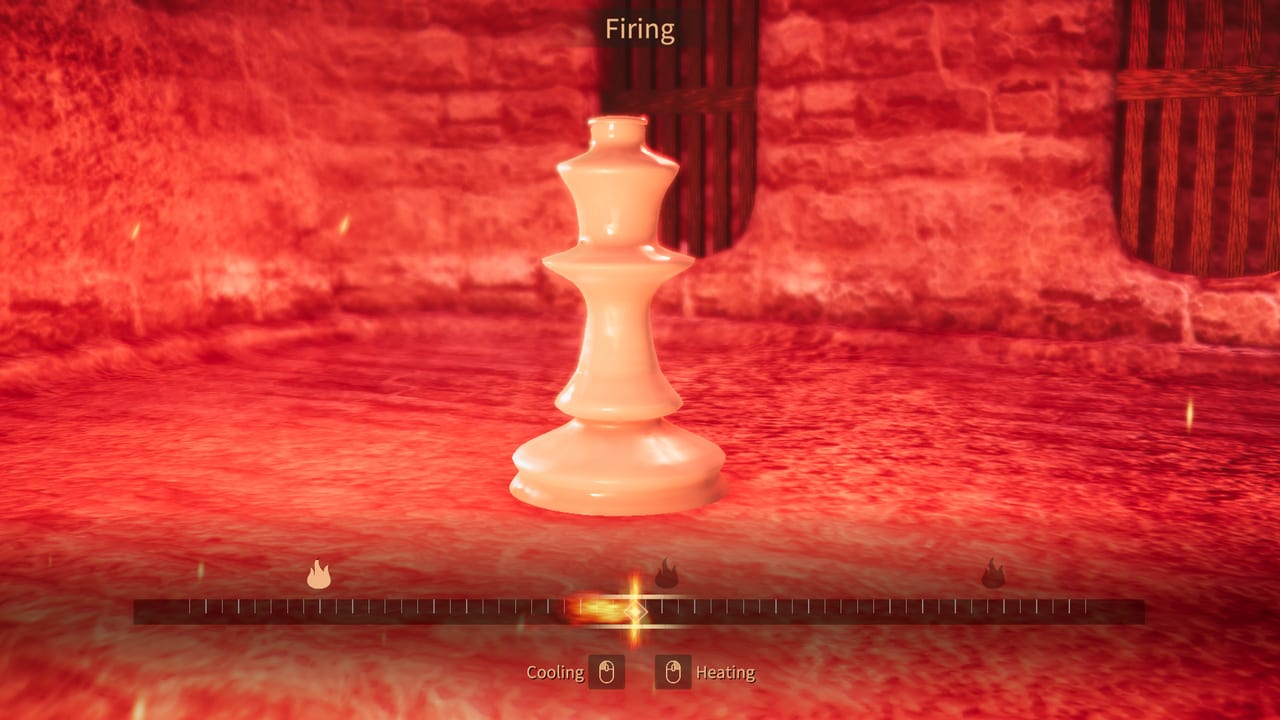
Master Of Pottery scores every finished vessel after the kiln, not after the wheel. That single rule is why a pretty starter bowl can still land a middling letter grade, and why a late-game teapot with expensive clay, dense paint work, and fifty attached parts can climb to SSS. This hub is the ranking map for that economy: materials on one axis, workshop purchases on the other.
The lists here are not fashion opinions. They follow how the game actually weights a piece: later and costlier clay, glaze, and patterns score higher; stroke count on the wheel and at the paint bench counts; attached parts (handles, lids, spouts, bulges) add up to a hard cap of 50; the kiln must be fired from the inside out; and the finished style should match the brief when an order or exhibition expects a look. Miss the kiln and the rest of the spend is wasted. Nail the kiln on cheap clay and you still leave rank on the table.
Use the two child pages as the working lists. The clay materials list ranks bodies, glazes, and colours for SSS hunting versus early cash flow. The upgrade priority list is the store unlock order: throwing tools and bulges first, then handles, lids, and spouts, then colours and patterns, then booths, ads, decorations, and Tea House drinks. If you only open one page after a failed firing, open clay. If you only open one page after a rich exhibition day, open upgrades.
How these ranks are built
S-tier means the item or purchase moves letter grade or daily yen in a way you feel immediately. A-tier is strong once you can afford it. B-tier is useful filler. C-tier is early-game volume. D-tier is starter stock you should outgrow. We do not invent clay SKUs the store never named. Where the game uses generic rows (coloured clay, premium glaze, late patterns), the rank is for that row, not a fan-made catalogue.
Two play styles share the same store and fight over the same yen:
- Budget loop. Throw two pieces a day on cheap clay, fire cleanly, exhibit, and convert tickets plus the occasional sale into booths and ads. Letter grade can stay in the middle of the alphabet while the hall grows. This is how you fund the SSS rank push later.
- SSS loop. Spend on late clay, late glaze, late or DLC patterns, many throwing and paint strokes, and a full parts kit. Fire inside-out. Match style. Repeat until ten SSS works unlock Pottery master. This loop is hungry for inspiration as well as yen, so Tea House drinks become part of the ranking once the tea house opens.
Those loops are sequential for most careers, not parallel. Buying S-tier glaze on day three starves booths. Buying every booth before a single premium clay bag starves rank. The hub’s job is to keep those two clocks honest.
What belongs on the clay list
Clay is the body. Glaze is the skin. Colour and pattern are the drawing. All four feed the same post-kiln score, but they are not equal early. Coloured clay and premium glaze are expensive relative to pigments. Patterns unlock in waves; later waves and the DLC pattern packs sit higher because the game weights late and paid motifs more heavily than the first free stamps. Custom imported images are a creative tool, not a free SSS cheat: they still sit on top of whatever clay and glaze you paid for.
If you are still learning throwing and painting and glazing, stay on C-tier materials until your kiln timing is clean. A ruined premium body is the most expensive tutorial in the game.
What belongs on the upgrade list
The store is a tech tree disguised as a shop. Throwing tools and bulge tools expand the shapes you can actually form, which raises stroke count without looking like grinding. Handles, lids, and spouts are the parts economy: every extra piece is a scoring tick, and fifty is the ceiling. Colours expand paint strokes. Patterns expand style matching and late-game score. Booths expand the hall. Ads expand tourist flow. Decorations dress the room and feed the decoration achievement. Tea House drinks raise the daily inspiration cap from 100 toward 150.
That order is the default spend path for a 1.0 career. Deviate when a specific goal demands it (all booths for Large exhibition hall, twenty ads for Marketing expert), then return to materials.
How this hub links to craft guides
Ranks without craft are a shopping list. After you pick a clay row, go throw and fire it. After you buy parts, go attach them before the first firing, not as an afterthought. The SSS rank page is the scoring bible this hub assumes. Painting and glazing is where expensive colour actually lands on the pot. DLC packs are optional score and style injectors, not a replacement for kiln skill.
Version 1.0, which left Early Access on 10 September 2026, did not rewrite the material curve. Online rooms and tourist comments change how you earn tokens and how you read the hall; they do not make starter clay score like Qianlong porcelain. Rank for the kiln you have, then spend.
When a new store row appears after a patch, check whether it is a throwing tool, a part, a colour, a pattern, a booth, an ad, a decoration, or a drink. Drop it into that family on the child lists instead of inventing a new letter. The letters here are about yen-to-score, not about which motif looks nicest on a screenshot.
Frequently Asked Questions
Quick answers about throwing, firing, and running your showroom.
Is this a PvP tier list?
No. Master Of Pottery ranks finished works after firing. These lists order clay, glaze, colours, patterns, and store unlocks by how hard they push letter grade and hall income, not by player-versus-player balance.
Should I buy expensive clay on day one?
No. Fire cleanly on cheap clay first, grow booths, then move into late materials for SSS. Premium clay on a mistimed kiln is a yen sink.
Do DLC patterns outrank base patterns?
Late and paid patterns score higher than the earliest free stamps. Qianlong, medieval, Persian, and cartoon packs are A or S for style-matched SSS work, not a substitute for kiln timing.
Where do Tea House drinks sit?
They are an upgrade, not a clay. Buy them after the tea house unlocks (orders around day 33 and 41) when you need the 100-to-150 inspiration cap. Details live on the upgrade priority list.
Which child page should I read first?
Read the clay materials list if your grades stall. Read the upgrade priority list if you have yen after an exhibition and do not know which store row to open.