
Master Of Pottery Kiln Firing, Twice
Drying, preheating, and high temperature on the first fire; no minigame after glaze.
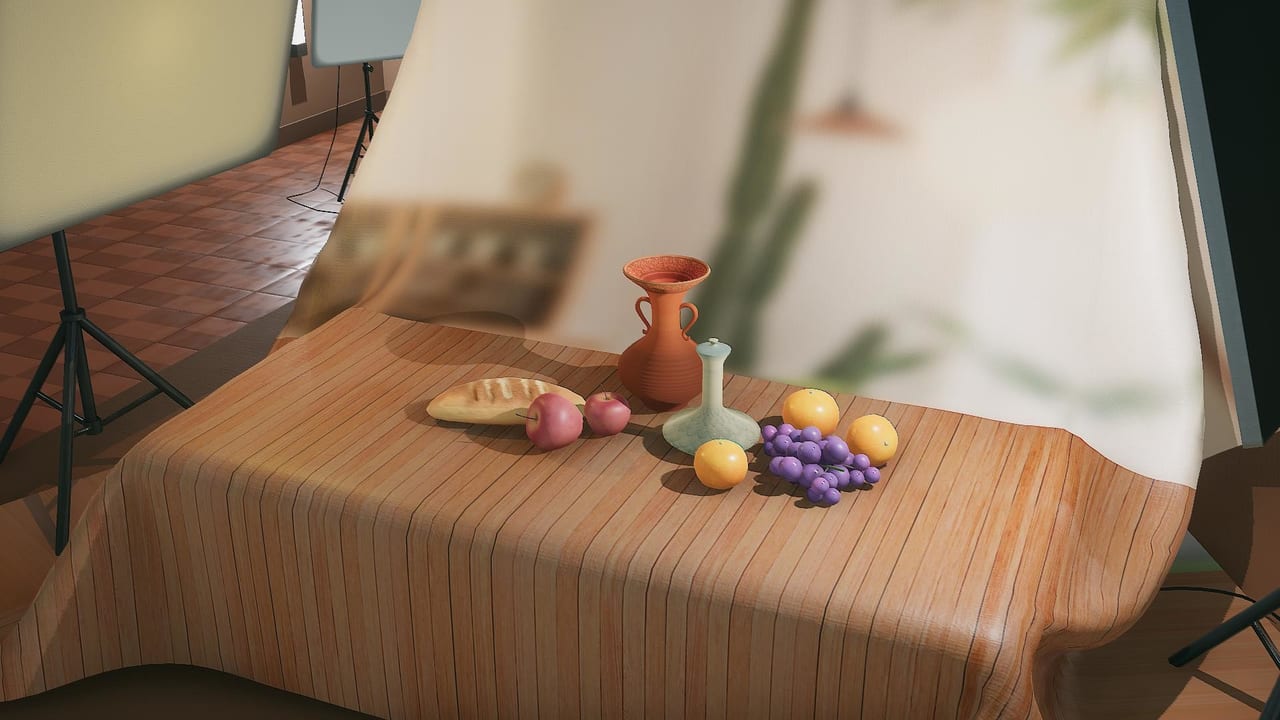
The kiln is the only timed fight in Master Of Pottery. Throwing is patient. Painting is patient. Firing the first bisque is a needle you have to hold through three named stages: drying, preheating, and high temperature. AZGames modeled those stages on traditional ceramic practice, then turned them into a mouse minigame. Fail a band and the piece still comes out. The damage prints after the door opens: cracks, burnt cores, a letter rank that no expensive glaze will fully rescue.
This page is that first fire, the inside-out burn, and the second fire that has no minigame. Pair it with the Throwing Clay Guide so you are not firing a wet-looking lump, and with the SSS Rank Guide so you know how much a miss costs. Controls are simple: left click heats, right click cools. Details sit in the Controls Guide.
First fire: three bands
Drying is the opening band and the one new players overshoot. The bar comes up quickly. Short left clicks. If the needle runs hot, right click. The fiction is moisture leaving the wall. The mechanical truth is a target window you must not smash through.
Preheating is the middle band. It is more forgiving if you already have a rhythm, and less forgiving if you are still mashing. Keep the same burst habit. High temperature is the last band. Players call this the rank gate. Forum veterans say the score you see after burning is the ranking score, and that the clay needs to burn from the inside to the outside. One mess and the piece is a disaster.
You will not see the disaster while the minigame is running. That is the trap. The kiln can look fine, then the reveal shows scorch, cracks, or a dull body. There is no mid-fire undo. If you blow drying, you still have to finish the schedule. Play the remaining bands as clean as you can; a partial recovery is better than rage-clicking the rest.
Heat, cool, and focus
Left mouse raises heat. Right mouse lowers it. The first band is the one that needs your full attention. After that, the cadence is readable. Do not hold left click as if it were a gas pedal. Burst, read, burst. If you are on Steam Deck, use a trackpad or a docked mouse. Analog sticks fight this minigame. Steam lists the game as Playable on Deck, not as a controller-first studio.
Older threads suggested tapping R while heating. Testers did not find a consistent rank bump. Ignore it unless a future patch documents a key. Apprentices can later take the kiln for you. A five-star graduate, trained over many lessons, can post perfect fires from a list you open while shaping. That is an endgame convenience, not a day-one skip. You still need to learn the bands to judge their work.
Inside-out burn and post-fire tells
Players describe a correct fire as burning from the inside out. Treat that as the design intent behind the three windows: dry the core, preheat the wall, then take high temperature without cooking only the skin. If you spike high temperature too early, you get the outside done and the core wrong. That is what tanks rank even when the paint later looks expensive.
After the reveal, believe the surface. A cracked pot can still go on a booth as a curiosity, or into the warehouse as an apprentice dummy. Do not spend late-game patterns on a burnt body. Letter grades run C, B, A, S, SS, SSS. Kiln damage slides you down that ladder no matter how many throwing strokes you logged.
Second fire after glaze
Painting and glazing happen on the bisque. Then you fire again. The second fire has no timing minigame. Start it and let it finish. Players who hunt for extra clicks here are wasting attention. Glaze quality still matters: recipes such as zinc ash are chosen before this fire, not during it. See the Painting Glaze Guide for order of operations.
Because the glaze fire is quiet, it is a good moment to plan the hall. Queue the next inspiration spend. Check mail. Do not start a second throw until you know whether this piece is show-worthy. A clean double fire plus weak paint is still a useful A. A ruined first fire plus perfect paint is a souvenir of a miss.
How firing fits the loop
Inspiration is spent when you begin a work, so a kiln miss is an expensive mistake in time, not a second inspiration tax. That is why veterans slow down on the first band even when they are racing an order. Orders, Tea House cups, and exhibition heat all want finished pieces. They do not want three cracked clones.
1.0 did not remove the minigame. Public and private rooms and online tokens sit outside the kiln. You still fire alone. Patches can add stands and tourist comments; they have not replaced drying, preheating, and high temperature. When a patch note mentions firing, it will land on the Patch Updates Hub.
Practice the bands on cheap clay. Save white clay and premium glaze for days your hands already know the needle. If a video helps, the walkthrough embed on this page includes a firing pass you can pause and copy. Then go back to the wheel or skip ahead to paint. The kiln only needs to be boring. Boring fires are how SSS stays possible.
Frequently Asked Questions
Quick answers about throwing, firing, and running your showroom.
What are the three first-fire stages?
Drying, preheating, and high temperature. Each is a timing window. Left click heats, right click cools. Mistakes show after the piece comes out.
Does the second fire have a minigame?
No. After you paint and glaze, the second fire is automatic. Rank still depends on glaze choice and on how clean the first fire was.
Why did my pot look fine in the kiln and then rank badly?
Damage prints after firing. Overheating a band can burn the core while the minigame still looks under control. The clay is meant to burn inside-out.
Can an apprentice fire for me?
After training, graduates can be picked to run the kiln. Higher-star apprentices score better fires. You still unlock them through the Apprentice Guide loop.
Is kiln skill enough for SSS?
No. A clean fire is required, but SSS also wants expensive clay and glaze, many throwing and paint strokes, parts, and style matching. See the SSS Rank Guide.