
Master Of Pottery Painting and Glaze
Zinc ash and stroke count first, then custom images, DLC packs, and tribal or festive color matches.
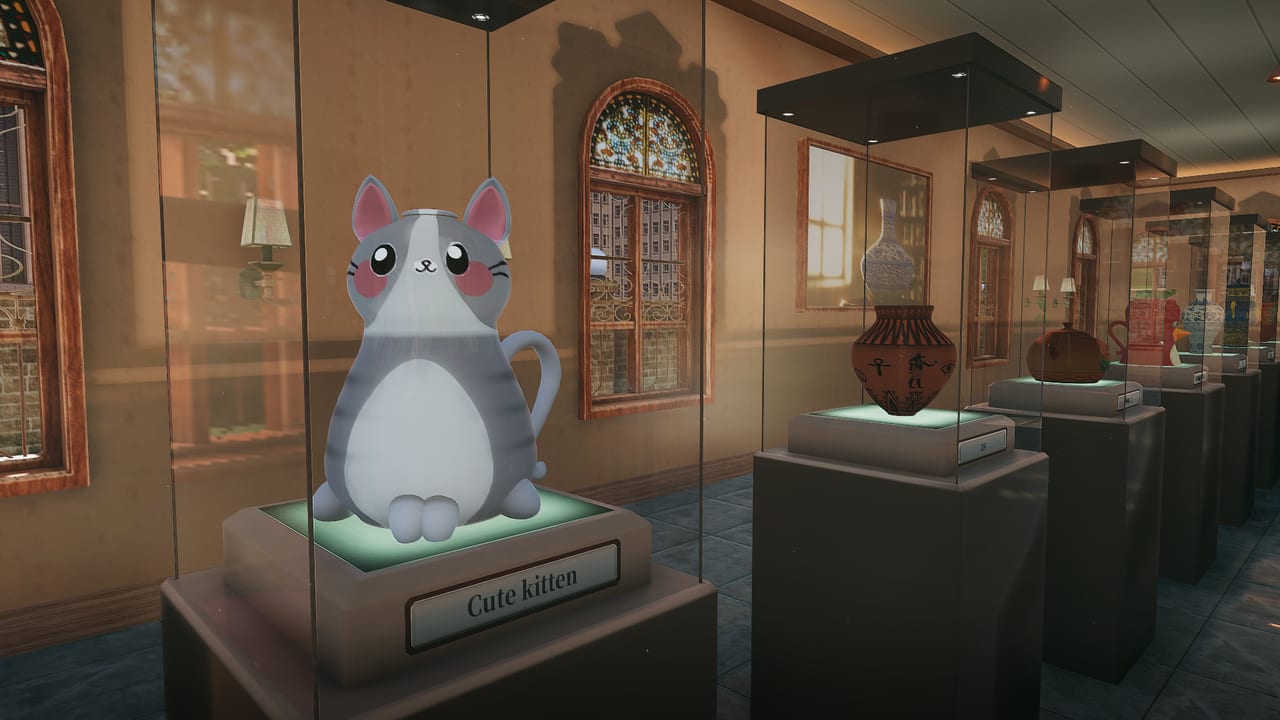
Decoration is the long room in Master Of Pottery. Throwing takes minutes. The first kiln takes focus. Painting can eat the rest of the evening, and the scoring system likes that. Stroke count on the paint table is one of the strongest effort terms in letter rank. Glaze choice is one of the strongest material terms. Players who open pigments before glaze often spend a beautiful hour on a body that never had a quality recipe underneath.
This guide is the order of operations: glaze first, then volume painting, then patterns, including custom image import and the Qianlong, Medieval, Persian, and Cartoon packs. It assumes a clean bisque. If the first fire already cracked, stop and read the Kiln Firing Guide instead of pouring late-game pattern yen onto a burnt pot.
Glaze first for quality
Open glaze before you fall in love with a line. Several long-running players, including the n00bs commentary pass, pick glaze first because it drives quality. Zinc ash is a frequently named recipe: a stable, expensive-looking surface that pairs well with later clay. Early rough glazes are fine for C and B warehouse pieces. Show pots want the better jars from the store.
Glaze is not a second paint layer you can ignore. It is closer to choosing clay. Late unlocks score higher than base jars, the same way late clay scores higher than starter bodies. If you are comparing purchases, use the Workshop Tier List Hub and the clay ranking together so body and glaze are not fighting each other. Then fire the quiet second kiln. There is no minigame on that pass.
Paint strokes, colors, and density
After glaze, paint. Lots of strokes. Lots of colors. Painting over a previous pass still counts as work. You do not need a masterpiece; you need time on the surface. Density or strength is a slider. Crank it for fills, drop it for lining. Orbit the pot. Paint the far side. Parts you added on the wheel (handles, spouts, extra bulges) need paint too, or they read as unglazed add-ons in the hall.
Color matching matters for style tags and for rank. A forum breakdown that still holds: if you go tribal, stay in that climate. African-style marks with yellow and warm red can land SS or better. Mix African marks with unrelated Chinese tribals and the piece drops toward B or C even if the fire was perfect. Festive sets want festive palettes. European or “classic” looks want their own pigments. The game shows form and match hints on screen when you start; use them.
Orders can require a logo. The Tea House cups and teapots put a mark in the pattern list after you accept the job. Accept first, then decorate. Missing the logo is a failed order, not a style experiment.
Custom images and DLC patterns
Unique is a Steam bullet for a reason. You can import your own image as a custom pattern and wrap it on the form. That is the one-of-one path: a photograph, a crest, a joke. Custom images still sit on top of glaze and stroke work. A raw photo on a cheap glaze is a novelty mug. A raw photo on zinc ash with a worked throw is a show piece.
DLC packs add pattern families:
- Qianlong Pattern Pack — fifty-plus Qing court ceramic motifs.
- Medieval Pattern Pack — European historic ornament.
- Persian Pattern Pack — another historic family with its own color logic.
- Cartoon Pattern Pack — a louder, modern set.
- Suzhou Garden — a scene pack more than a sticker sheet; it changes the craft space.
Packs are optional. They are also late-game scoring food because later and paid patterns weight rank more than starter stamps. Keep a single family per pot if you want a clean style tag. Mix packs only when you are making a joke piece for the hall. Full notes live on the DLC page.
Style matching without overthinking
Style tags are how some orders and some apprentices read your work. Clay can influence which tag sticks. Paint color can too. Shape is weaker than people expect: a Chinese teacup with Egyptian stamps may still tag Egypt if the pattern and clay agree. Simple and pure tags are pickier; dumping one category of stamps is not always enough. When in doubt, one family, one palette, expensive glaze, many strokes.
SSS is not a beauty AI. It cannot see whether your crane is elegant. It can see glaze tier, pattern tier, stroke volume, and whether the set matches. That is freeing. Fill the surface. Then stop before you hide the form you threw. The SSS Rank Guide stacks these terms with parts and kiln.
After the second fire
Once the glaze fire finishes, the letter is locked. Warehouse, booth, order, or apprentice lesson. Do not relitigate paint. If heat on a booth dies, swap the work rather than hoping a new brushstroke exists. Exhibition visitors in 1.0 talk in real time; their comments can hint which decorated piece will draw a buy letter.
Paint is the fun room. It is also the easiest place to burn a day of inspiration on a pot the kiln already wounded. Glaze first, stroke a lot, match the family, import a custom only when it earns the surface. Then go back to the Pottery Guides Hub or out to the hall. The next yen is tickets and letters, not another unused pigment.
Frequently Asked Questions
Quick answers about throwing, firing, and running your showroom.
Should I glaze or paint first?
Glaze first. Players treat glaze as a quality material, with zinc ash often named as a strong pick. Paint strokes then add effort on top of that recipe.
Do more paint strokes really raise rank?
Yes. Scoring counts work on the coloring table, including covering old strokes in new colors. Volume matters more than a perfect illustration.
Can I use my own images?
Yes. Import a custom image as a pattern. It still wants a good glaze and a clean first fire underneath, or it will look like a sticker on a weak pot.
Which DLC pattern packs exist?
Qianlong, Medieval, Persian, and Cartoon pattern packs, plus Suzhou Garden. Using a single family helps style tags. Details are on the DLC page.
Why did a tribal pot rank badly?
Style and color likely clashed. Keep a tribal family with matching warm or regional colors. Mixing unrelated tribals with the wrong palette is a common C or B result.