
Master Of Pottery Customer Orders and Tea House Jobs
Top-right briefs, day 33 teacup, day 41 teapot, style match, and whether the yen is worth the lump.
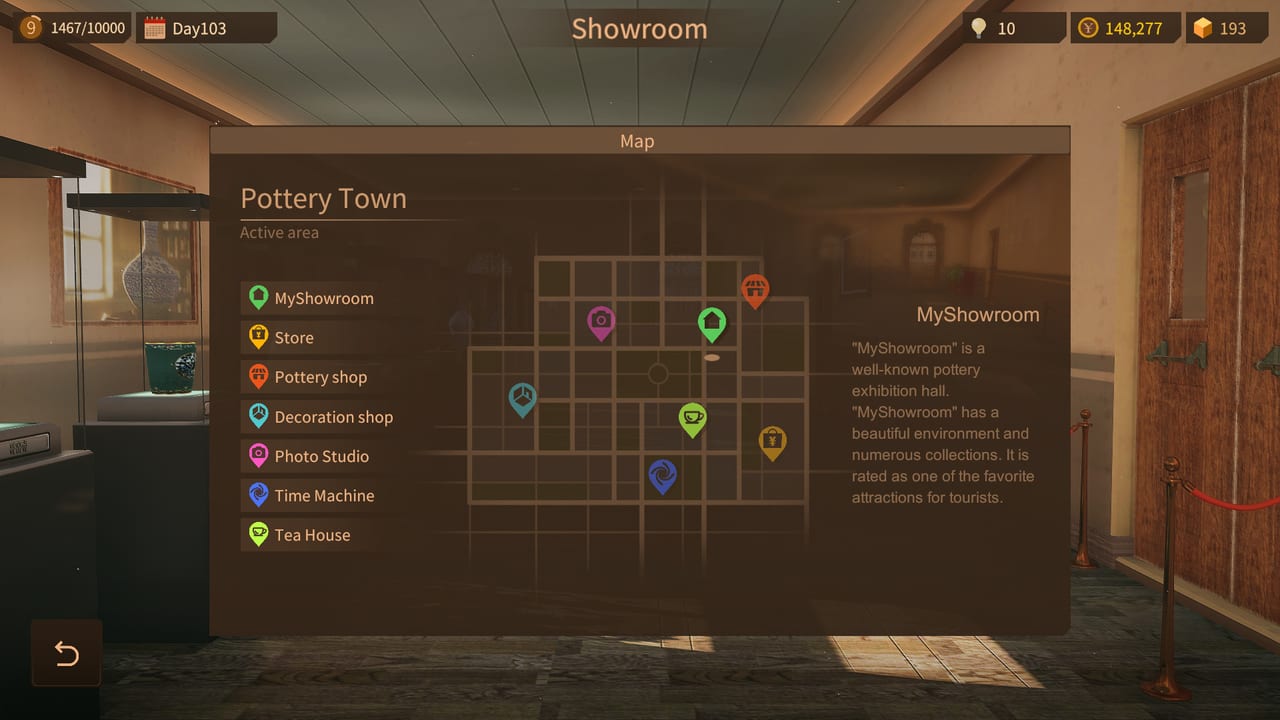
Customer orders in Master Of Pottery live in the top-right corner of the studio, not in a hidden quest log. Version 1.0 released on 10 September 2026 and still uses that corner for briefs. An order is a paid request with a form, a style, and sometimes a logo. It is not a buy letter from a tourist in the hall, and it is not a shop listing you post yourself. Ignore the icon and you will throw a freeform vase, then notice the client wanted a teacup with a house mark you never stamped.
This page is how to read a brief, when to accept it, how the Tea House jobs around day 33 and day 41 unlock the map, and how to weigh yen pay against the inspiration you burn to start the work. Pair it with the Inspiration Guide for the drink ladder after the building opens, the Painting Glaze Guide for logos and palettes, the Exhibition Guide for the hall that funds those drinks, and the Custom Pattern Guide if you plan to wrap your own image on a requested form.
The early Steam playthrough embedded here is useful for seeing the studio UI before those late-month jobs arrive. Watch the corner. The rest of this page is the spec.
The top-right brief
Orders appear as a notice in the top right. Open it. Read the vessel type, the size hint, and any style or logo note before you spend a lump of clay. Accept the job first. If you start throwing without accepting, the decoration screen will not show the required mark. Players who already had a spare cup in the warehouse fail Tea House work because the logo never spawned in the pattern list. The game is checking the piece you make after the accept, not a random mug from last week.
There is no combat timer. A missed day does not wipe the career. The teacup around day 33 can be finished later if you botch the first try. The teapot around day 41 is spaced about nine days after. Treat those two as the only orders you must not permanently ignore, because they gate the Tea House on the map. Other customer jobs rotate through the same corner. They pay yen. They still cost a throw. If your daily pool is 100, one order is half your day. If you also teach an apprentice or list a shop piece, the order can be your only pot.
Keep the mailbox in view as well as the icon. Some briefs echo in mail. If the top-right notice vanishes after a failed delivery, check letters before you assume the client is gone forever.
Accept, throw, fire, decorate
The production loop does not change for a brief. Spend inspiration to start. Throw the requested shape. Fire drying, preheating, and high temperature on the first kiln. Glaze, paint, place the logo or style family, then take the quiet second fire. Rank still stamps at the end. A C-grade teacup can complete a Tea House unlock. SSS is not required for the map building. Save expensive clay for show pots unless the brief is also your practice piece.
While decorating, look in the second pattern category for a client logo. The Tea House mark lives there after you accept. Miss it and the delivery fails even if the cup is beautiful. Style matching follows the same rules as hall work: keep a family together. A tribal brief wants tribal marks and a matching warm or regional palette. Mixing unrelated tribals with the wrong colors is how a simple order drops to a letter the client will not take. Form is weaker than people expect. A Chinese teacup with the wrong stamps may still tag the wrong culture if paint and clay agree with that other family. Read the on-screen form and match hints when the job starts.
Custom images are legal paint, not a cheat code. A photograph can dress a generic customer mug. It will not replace a named logo. If the brief asks for the Tea House mark, stamp the mark. Import a jpg later for a hall joke, not for the unlock cup.
Tea House: day 33 cup, day 41 pot
Around day 33 the Tea House orders a teacup design. Around day 41 it orders a teapot. Complete both and the Tea House appears on the map immediately. That building is why these two briefs are famous. Inside, the Drink button sells permanent inspiration raises: 5,000¥, 8,000¥, 11,000¥, 14,000¥, then 17,000¥, totaling 55,000¥ to a 150 daily cap. The Inspiration Guide lists the ladder, the extra 20,000¥ bump, and what happens if you buy a drink on a full bar. This page only cares that the building stays locked until both orders succeed.
Accept each job before you sit at the wheel. Throw a cup that looks like a cup, then a teapot that looks like a teapot. Attach a spout and a lid if you have unlocked them; the store sells those parts in waves. Fire cleanly enough that the piece survives. Stamp the logo. Deliver. You do not need zinc ash and white clay for the unlock. You need a living vessel with the mark in the second pattern category.
Players who decline the cup out of fear still get the teapot window later. Check mail as well as the top-right icon. If the cup vanished from the UI, finish the teapot when it arrives and look again. The unlock is both jobs, not a random fog on the map. After both succeed, open the map from the lower right and enter the Tea House the same day if you have 5,000¥ for the first drink.
Pay versus inspiration
Yen from an order is real money. Inspiration is the rarer clock. You start at 100 a day, about two pots if you spend nothing else. Starting the commissioned work spends that pool the same way a freeform vase does. A cheap brief that pays a little and costs a whole throw is a bad trade on a day you needed a booth filler. A Tea House brief that unlocks drinks is a good trade even if the cash is modest, because later days give you a third pot.
Do not confuse three yen pipes:
- Orders: client brief, top right, you make to spec, then get paid.
- Buy letters: a visitor in the hall falls for a piece already on a booth. That is exhibition income, covered in the Exhibition Guide.
- Map shop: you list a finished work, spend inspiration again, and take a worse price.
Use orders when the spec is easy or the unlock matters. Use the hall for heat and letters. Use the shop to clear cold warehouse pots after Collector is safe. Tickets and letters usually out-earn a random mug commission. The Tea House pair is the exception because drinks change how many pots you can make for the rest of the career.
If a brief wants a style you cannot paint yet, wait. Spending white clay and zinc ash on a logo cup you will never exhibit is how people go broke before the Tea House even opens. An honest A cup with the right mark beats a ruined SSS attempt. Public and private rooms from 1.0 pay online tokens. They do not complete your Tea House jobs. Steam Multi-player does not stamp a logo for you. The brief is still a studio delivery you finish at the wheel.
After the building opens
Once the Tea House is on the map, orders become optional income. Keep watching the top right. A matching-style job can be a useful excuse to practice a palette from the Painting Glaze Guide. A bad-fit job can wait. Inspiration after drinks still funds throws, apprentice lessons, and shop listings. Do not let a random mug steal the day you planned for a show urn.
Rotate finished commissions onto booths if they have heat left. Tourists in 1.0 talk in real time; a commissioned teapot can still draw a buy letter later. That is extra yen on work you already paid inspiration for. If heat stalls, swap it. The order pay is already in the wallet. The hall is a second life for the same clay.
When the corner is empty, throw for the hall. When the corner names a cup and a house, accept, stamp, deliver, then go drink. The studio is not a quest chain. It is a queue of briefs you choose because the pay, the unlock, or the practice is worth the lump.
A brief is a corner job, not a second studio. Take the Tea House cup on day 33 and the teapot on day 41 because the map stays empty without them. Later clients can wait if the spec fights your palette. Stamp the logo you accepted, cash the yen, and put leftover heat on a booth. Tokens from rooms will not deliver a teapot. The next lump is still yours to spend on a show urn or on someone else’s mug.
Frequently Asked Questions
Quick answers about throwing, firing, and running your showroom.
Where do customer orders appear?
In the top-right corner of the studio. Open the notice, read the form and style, and accept before you throw so logos and size hints show while you decorate.
How do I unlock the Tea House on the map?
Complete the teacup order around day 33 and the teapot order around day 41. Accept each job first, stamp the Tea House logo from the second pattern category, then deliver both.
Do orders cost inspiration?
Yes. Starting the commissioned work spends the same daily pool as any other pot. On a 100 cap that is about half your day, so weigh yen pay against throws you still need for the hall.
Should every order be SSS?
No. A living C or A piece with the right mark can finish a Tea House unlock. Save expensive clay for show pots unless the brief is also your practice piece.
Can a custom image replace a required logo?
No. Custom jpg or png wraps are extra paint. If the brief names a logo, stamp that logo. Details on imports sit in the Custom Pattern Guide.
Do online rooms complete orders for me?
No. Public and private rooms pay online tokens. They do not stamp Tea House marks or deliver top-right briefs. You still throw, fire, and decorate the piece yourself.